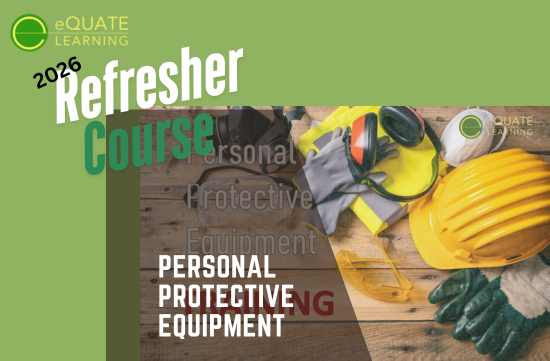
PPE training covers the proper use of personal protective equipment that guards the health and safety of employees. It lays out the standards for proper use and helps keep employees (and the people they serve) safe.
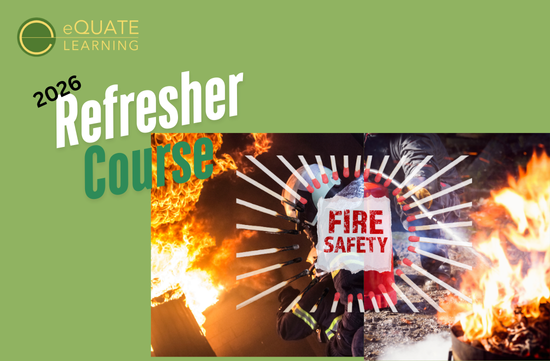
This Fire Safety Training module is designed to teach you preventive measures that will eliminate or minimize causes of fire or fire hazards in the workplace, and to teach you proper emergency and evacuation procedures in the event of a fire.
The best way to protect workers is to expect the unexpected and to carefully develop an emergency action plan to guide everyone in the workplace when immediate action is necessary. Employers and workers may be required to deal with an emergency when it is least expected and proper planning before an emergency is necessary to respond effectively.
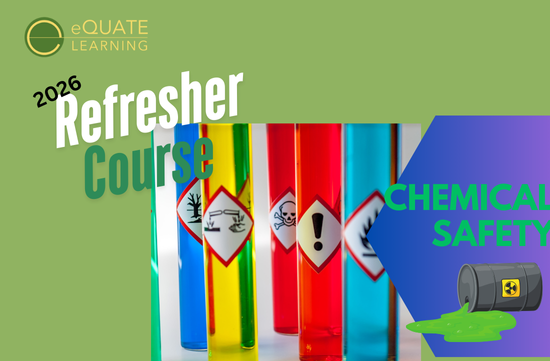
Chemical safety training should be a key component of your health and safety program to prevent injuries, illnesses, death, environmental contamination, and property damage.
- About 32 million workers are potentially exposed to one or more chemical hazards.
- There are approximately 650,000 existing chemical products, and hundreds of new ones being introduced annually.
- Chemical exposure may cause or contribute to many serious health effects such as heart ailments, central nervous system damage, kidney and lung damage, sterility, cancer, burns, and rashes
- Some chemicals may also be safety hazards and have the potential to cause fires and explosions and other serious accidents
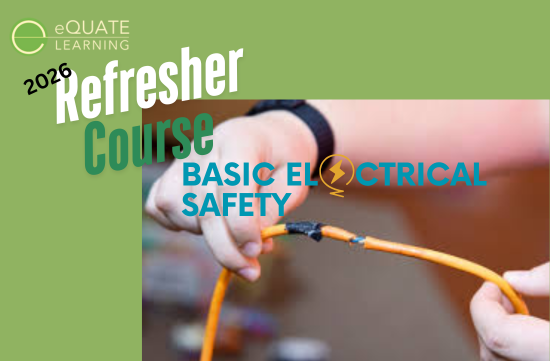
Always Disconnect. The first rule of electrical safety is to always disconnect whatever you're working on. This might mean unplugging an appliance that requires repairs or turning off a circuit breaker
Topic Overview
- Primary causes of accidents
- Factors Contributing to Unsafe Acts
- Examples of Unsafe Condition
- WORKPLACE HAZARDS and their ILL EFFECTS
- OCCUPATIONAL HAZARDS
- Physical Hazards
- Biological Hazards
- Chemical hazards
- Ergonomic Hazards
- Exposure Control