Reference: OMSI/PEPSICO
Food allergies are a significant public health concern, affecting millions worldwide. In food manufacturing, the presence of undeclared allergens can lead to severe, even life-threatening, reactions in sensitive individuals. Therefore, robust allergen management programs are essential to protect consumers and maintain product integrity.
Lab techniques are the sum of procedures used on natural sciences such as chemistry, biology, physics in order to conduct an experiment, all of them follow scientific method; while some of them involves the use of complex laboratory equipment from laboratory glassware to electrical devices others don't require such specific or expensive supplies.

Halal awareness is the level of understanding of Muslims in knowing problems related to the concept of halal. Such knowledge includes understanding what products can be consumed and how the production process is carried out
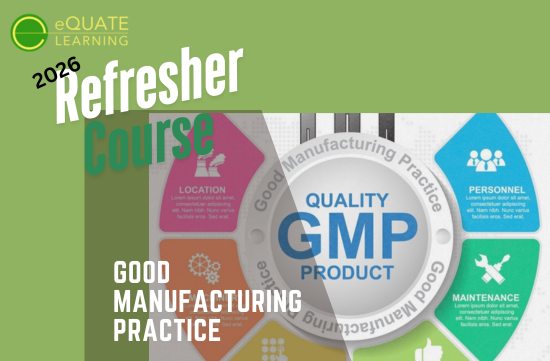
Good Manufacturing Practices (GMP)
is a system for ensuring that products are consistently produced and controlled according to quality standards.

GLP is a quality system concerned with the organizational process and the conditions under which non-clinical health and environmental safety studies are planned, performed, monitored, recorded, archived and reported.
- To promote quality and validity of test data
- To improve the international and national acceptance of data in adherence to its principles
- For mutual acceptance of data among member countries
- To avoid duplicate testing thereby saving time and resources

Food safety is used as a scientific method/discipline describing handling, preparation, and storage of food in ways that prevent food-borne illness. The occurrence of two or more cases of a similar illness resulting from the ingestion of a common food is known as a food-borne disease outbreak

7S is the new terminology consists of the seven phases namely Sort, Set in order, Shine, Standardize, Sustain or Self Discipline, Safety and Spirit. The paper explains the methodology, action steps, resources required and target outcomes for the implementation of 7S as a tool of organizing workplace scenario.
Target Participants:
- Laboratory Aide
- Laboratory Analyst
- SAP Analyst
- R&D Assistant
- Inspector